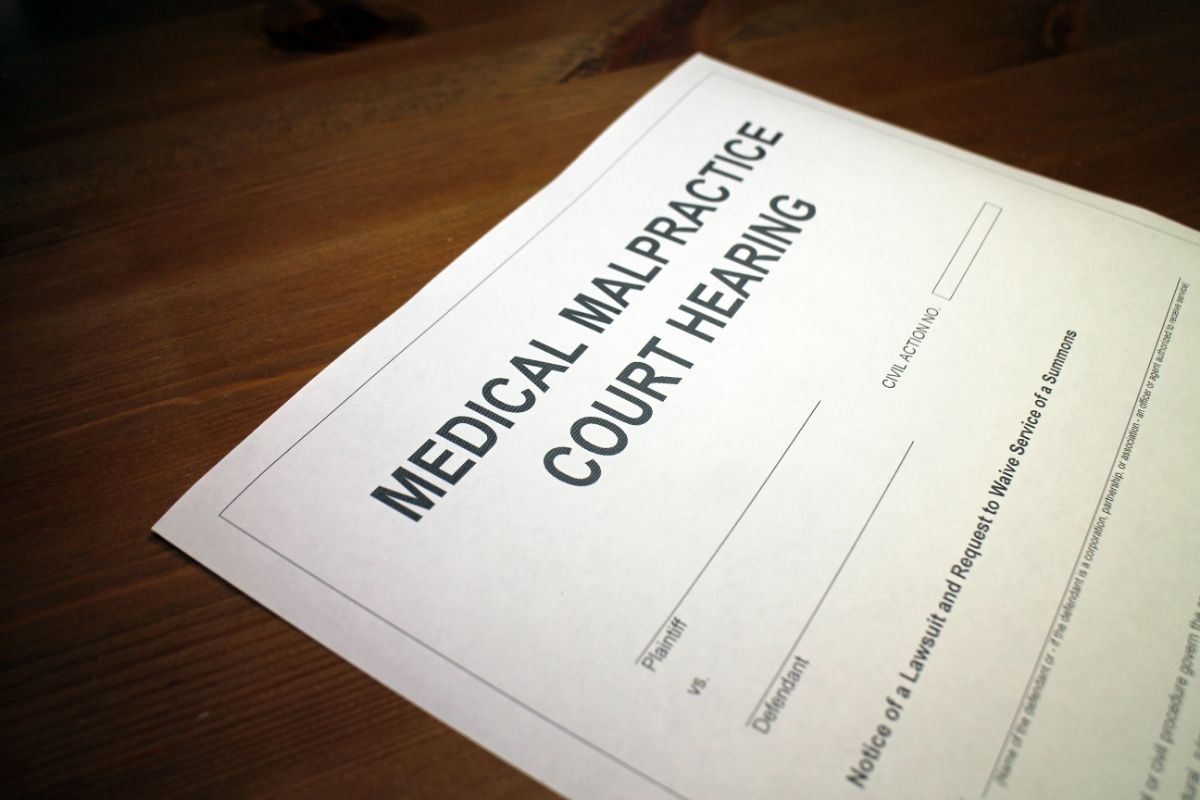
A hospital may be liable if it fails to properly treat or care for a patient who suffers from a vein that has been damaged by the administration of certain medications.
The damages are usually in the form of pain and suffering, loss of earnings and other expenses incurred as a result of the injury.
So, let’s take a look at this issue in more detail.
Can I Sue My Doctor for Medical Malpractice?
Yes, you can sue your doctor for medical malpractice. As long as you meet the legal requirements, you can file suit against your physician.
If you believe that your doctor’s negligence caused you harm, then you have grounds to file a lawsuit.
In order to win a case against a doctor, you must prove three things:
1) That the doctor was negligent; 2) That this negligence resulted in damage to you; 3) That the damage was approximately caused by the doctor’s negligence.
How Does a Doctor Get Sued for Medical Malpractice?
A doctor can get sued for medical malpractice if he or she negligently treats a patient and causes harm to that person.
In order to prove negligence, the plaintiff must show that the doctor breached his duty to exercise reasonable care in treating the patient.
This means that the doctor should have known better than to do what he did. If the doctor was negligent, then he could be held responsible for any injuries caused by this negligence.
What Are Some Types of Damages That Could Be Awarded Against a Doctor Who Is Being Held Liable for Medical Malpractice?
There are many different types of damages that could be awarded against a doctor who is being held liable for medical malpractice.
These include:
Pain and Suffering
Although there is no exact dollar amount that can be attributed to pain and suffering, an award of $250,000 would certainly cover most cases.
Loss of Earnings
If the doctor’s negligence resulted in a permanent disability, such as paralysis, then the injured party will probably not be able to work again. Therefore, he or she will lose wages.
Medical Expenses
If the doctor’s actions led to the need for expensive treatment, then the victim will likely incur these costs.
Other Costs
Many people who suffer serious injuries also spend money on things like special equipment, transportation to doctors’ appointments and so forth.
If the doctor’s negligence caused all of these problems, then the injured party may be entitled to compensation for them.
Punitive Damages
These are intended to punish the doctor for his or her misconduct. They are often very high and are rarely given. However, they can be awarded in some circumstances.
What is a Blown Vein?
If your vein has been damaged due to surgery or other factors, it is called a “blown” vein. Blown veins occur when blood leaks out of the vessel into surrounding tissue.
This usually happens because of poor surgical technique, improper suturing or puncture wounds from needles.
A blown vein is usually treated surgically. Depending on how severe the damage is, it may require several operations to repair the problem.
In addition, if the vein is large enough, it may need to be removed.
How Can I Recover Compensation After a Blown Vein Surgery?
When you are suffering from a blown vein, you may be able to seek compensation through a lawsuit. There are two ways that you can do this:
1) You can sue the doctor directly.
2) You can sue the hospital for its role in causing the injury.
Suing the Doctor Directly
If you want to bring a claim against the doctor, you will need to file a complaint with the state licensing board.
Afterwards, the board will investigate the matter and issue a report.
Next, you will need to take legal action against the doctor. You cannot sue the doctor until after the board issues a report.
If the doctor is licensed in another state, you will need to contact the licensing board in that state.
Suing the Hospital
If you believe that the hospital was responsible for your injuries, you can sue them directly.
Like doctors, hospitals are required to follow certain rules when treating their patients. If they fail to comply with these rules, they can face lawsuits.
Hospitals are also required to provide adequate training to staff members who work with patients. This includes nurses, physicians, and other health professionals.
If the hospital fails to adequately train its employees, it can be sued for medical malpractice.
In order to win a suit against the hospital, you must prove that the hospital’s actions were the cause of your injuries.
Proving Negligence In a Medical Malpractice Case
To prove negligence, you must first establish that the defendant owed a duty of care to the plaintiff. This means that the doctor had a responsibility to act reasonably when dealing with the patient.
The next step is to determine whether the doctor breached this duty. A breach occurs when the doctor fails to live up to his or her obligations under the law.
Finally, you must demonstrate that the breach of duty actually harmed the plaintiff. The plaintiff must show that but for the doctor’s negligence, the injury would not have occurred.
You can prove medical malpractice by showing that the doctor failed to exercise reasonable care in performing his or her duties.
You must also show that the doctor’s failure to use reasonable care caused harm to the patient.
For example, if the doctor failed to properly diagnose the patient’s condition, then this would constitute negligence.
Also, if the doctor performed unnecessary surgeries or procedures, then this would also constitute negligence.
It is important to remember that the standard of care does not apply to every situation. It only applies to situations where the doctor owes a duty of care to his or her patients.
Therefore, if the physician did everything correctly, he or she should not be held liable for any mistakes made during the operation.
However, if the doctor was negligent, he or she could still be found liable.
As long as there is proof that the doctor acted negligently, then you can recover damages.
Final Thoughts
If you believe that you have suffered harm at the hands of a medical professional, you should consult a lawyer immediately.
Your attorney can help you understand your legal rights and options. He or she can also advise you about filing a claim against the doctor.
In addition, your attorney can provide you with information regarding the process of proving medical malpractice.
Your attorney will also be able to explain what type of damages you might be entitled to receive if you prevail in court.
You should never settle for less than what you deserve!
Hi, my name is Andrea Symth. A couple of years ago, I was stuck in a dead-end job where the workers were severely underappreciated and overworked. The office was old and falling apart around us, yet management didn’t seem to care.
Last summer there was a fire in the building.
That was what spurred my idea for Can I Sue, an online source to find out whether you have the grounds to sue or not, as well as helpful tips that you might need during the process.