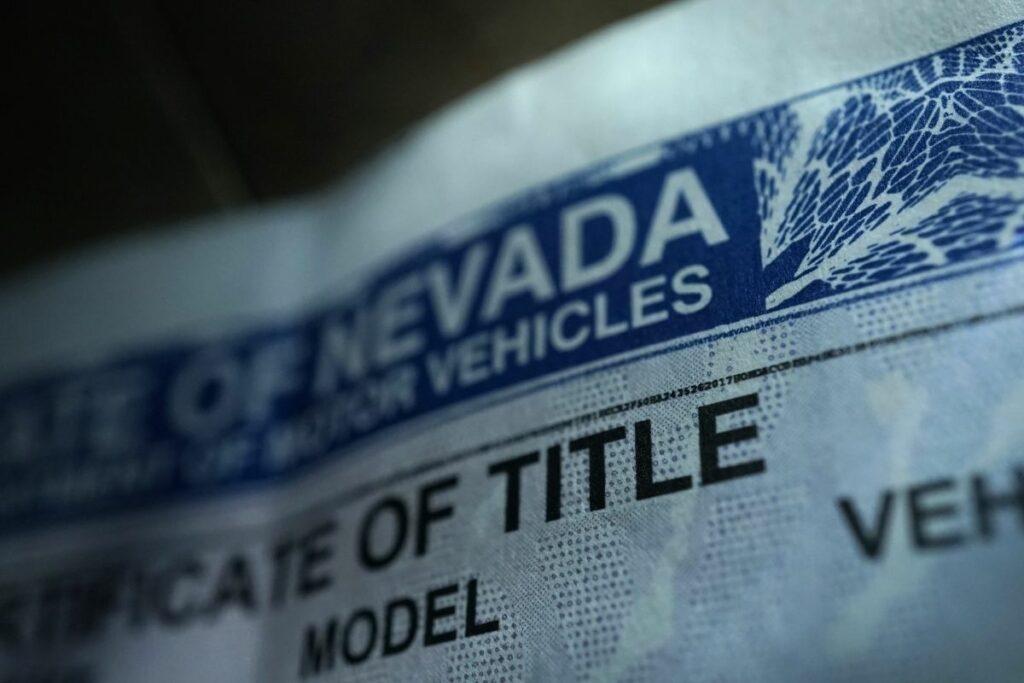
The title of a vehicle can be transferred from one person to another, but there are certain conditions that must be met in order for the transfer to take place.
The most common type of title jumping involves vehicles. If you have purchased a car or truck and want to sell it, you may find out that someone else has already registered the vehicle as their own.
This means that they will receive all the benefits associated with owning the vehicle such as insurance coverage and tax deductions.
In order to prevent this from happening, you need to make sure that the first owner transfers ownership of the vehicle back to you before selling it.
You can do this by transferring the registration to yourself using your name instead of the previous owner’s name.
However, if a person doesn’t transfer it to you, can you sue them? Let’s take a look.
Can I Sue a Person for Title Jumping?
Title jumping is illegal because it violates federal law. This means that anyone who engages in it could be held liable under state and federal laws.
For example, if a person sells a vehicle without transferring ownership to you, then he or she could be charged with theft.
If a person fails to transfer ownership within 30 days after receiving notice that you intend to resell the vehicle, then he or she would also be guilty of fraud.
Furthermore, if a person transfers ownership of a vehicle to someone else without your consent, then he or she is committing criminal trespass.
Therefore, if a person does not return your vehicle to you, you should consider filing a civil lawsuit against him or her.
How Do I File a Civil Lawsuit Against Someone Who Has Title Jumped My Vehicle?
A civil lawsuit allows you to recover money damages from an individual or business that has committed wrongdoing.
In order to file a civil suit, you must first determine whether you have legal standing to bring the case.
To establish standing, you must show that you have suffered some kind of harm as a result of the defendant’s actions.
You can do so by showing that:
You were harmed financially;
You lost something that belonged to you; or
Your reputation was damaged.
Once you have established standing, you can move forward with a claim against the defendant.
You can do that by proving that the defendant violated a specific law.
For example, you can prove that the defendant engaged in title jumping by showing that he or she failed to return your vehicle to you within 30 days after receiving notification that you intended to resell it.
Next, you must prove that the defendant caused you financial loss.
This usually requires you to provide evidence of how much money you spent on the vehicle and what your original purchase price was.
Finally, you must prove that you suffered emotional distress as a result of the violation.
For example, you might suffer anxiety and stress when you realize that someone has taken possession of your vehicle without your permission.
Do I Have to Pay Attorney Fees When Filing a Civil Suit?
The answer depends on whether you win or lose. If you win, then you will likely be awarded attorney fees.
Attorney fees are court-awarded compensation for the time and effort required to prosecute your case.
They may include costs incurred during discovery (such as depositions), expert witness fees, and other expenses necessary to prepare your case.
However, if you lose, then you won’t get any attorney fees. Instead, you’ll only be able to collect court costs.
What Are Court Costs?
Court costs are charges levied by the courts to cover their administrative expenses.
These expenses include things like hiring staff members, paying rent for court facilities, purchasing supplies, and providing security at courthouses.
You will pay these costs regardless of whether you win or lose your case.
If you win, you’ll probably receive an award of court costs.
On the other hand, if you lose, you’ll probably only be entitled to recover court costs.
Can I Recover Damages In A Civil Case?
Yes, but you need to know what those damages are before you start the process.
First, you must identify the type of damage that occurred.
Second, you must figure out how much money is needed to compensate you for that damage.
Third, you must find a way to prove that the amount you seek is reasonable.
If you can prove all three elements, then you should be able to obtain a judgment.
How to Avoid Title Jumping?
Title jumping is illegal because it breaks federal law.
Therefore, if you want to avoid this problem, you need to make sure that you follow all the rules set forth in federal regulations.
First, you need to ensure that you own the vehicle before transferring it to another party.
Second, you need to notify the seller that you intend to sell the vehicle before actually selling it.
Third, you need to give the buyer at least 30 days’ notice before delivering the vehicle to them.
If you fail to follow these steps, then you could face fines and even jail time.
Why Should I Title My Car in My Name?
When you title your car in your name, you’re giving yourself legal ownership rights over the vehicle.
As long as you own the car, you have the right to drive it wherever you want.
In addition, you also gain access to the insurance benefits associated with owning a car.
In fact, many people choose to title their cars in their names so they can take advantage of these benefits.
Final Thoughts
Whether you’re buying or selling a used car, you need to understand the laws governing the sale of vehicles.
For instance, you need to know whether you can transfer a vehicle’s title to someone else without first notifying the previous owner.
Also, you need to know about the title requirements for different types of transactions.
Finally, you need to know how to avoid title jumping when selling a vehicle.
This guide has provided you with some basic information on the topic of title jumping.
Hi, my name is Andrea Symth. A couple of years ago, I was stuck in a dead-end job where the workers were severely underappreciated and overworked. The office was old and falling apart around us, yet management didn’t seem to care.
Last summer there was a fire in the building.
That was what spurred my idea for Can I Sue, an online source to find out whether you have the grounds to sue or not, as well as helpful tips that you might need during the process.