The procedure involves inserting a needle into a vein or artery to withdraw blood.
This is usually done to diagnose or treat diseases such as diabetes, cancer, heart disease, kidney failure, and other illnesses.
However, some patients report experiencing pain during the procedure.
Some say they experience numbness or tingling in their hands and feet after the procedure.
Others claim that they suffer from headaches, nausea, dizziness, and even fainting spells.
Some patients who experienced these symptoms filed lawsuits against their doctors. They claimed that the doctors failed to inform them of the risks associated with the procedure.
In some cases, the plaintiffs won settlements from their doctors.
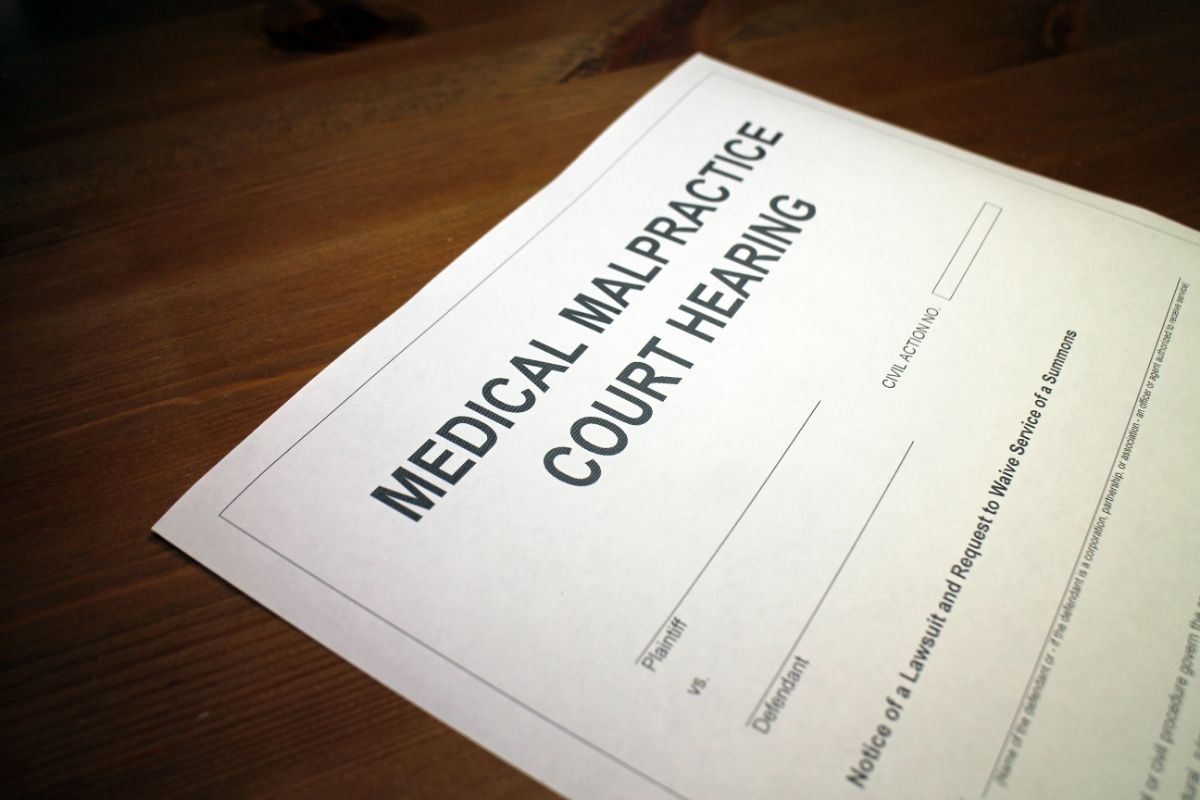
In this guide, we will be finding out if you can sue for nerve damage from a blood draw.
What Is A Blood Draw?
A blood draw is a medical procedure used to obtain a sample of blood from an individual to perform tests on it. It is most often used to check for signs of certain diseases or infections.
However, there are many reasons why a doctor may need to take your blood.
For example, he or she may be testing you for HIV, Hepatitis B, C, or other sexually transmitted diseases; looking for signs of leukemia, lymphoma, or other cancers; checking the levels of substances in your body; or performing genetic screening.
Blood draws can also be used to monitor the effectiveness of treatment for certain diseases.
Doctors will sometimes order blood tests before starting chemotherapy or radiation therapy.
Afterward, they’ll do additional tests to see how well the treatments have worked.
Blood draws are also commonly performed when treating children.
Children’s veins tend to collapse more easily than adults’. Therefore, doctors use needles smaller than those used for adults to collect blood samples from children.
How Does A Blood Draw Work?
The process begins with a nurse or technician drawing blood from a patient using a syringe.
Next, the blood is sent to a lab where it is tested. Depending on what type of test needs to be conducted, different types of equipment will be used.
The blood drawn from a person is considered “patient-derived material.”
That means that the blood belongs to the patient.
If someone else had been injured and needed blood transfusions, then the blood would not belong to the person receiving the transfusion.
If the blood has been donated, then it becomes property of the hospital or clinic where it was collected.
Hospitals and clinics must follow specific rules about how they handle donated blood. These include:
Storing the blood at appropriate temperatures;
Keeping records of each donation;
Collecting only enough blood for a particular purpose; and
Disposing of the rest properly.
In addition, hospitals and clinics must ensure that all blood donors receive proper care and information about donating blood.
Who Can Sue For Nerve Damage From A Blood Draw?
Anyone who experiences any form of nerve damage as a result of a blood draw can file a lawsuit against the doctor responsible for taking the blood.
This includes anyone who suffers from long term nerve damage such as paralysis, loss of sensation, or loss of feeling in his or her limbs.
How Does Nerve Damage Occur?
Nerve damage occurs when a needle punctures nerves during a blood draw. The most common place this happens is inside the arm near the elbow.
Other places include the hand, foot, neck, face, knee, and groin.
Some people experience pain during a blood draw. Others feel numbness or tingling. Both symptoms indicate that a nerve has been damaged by the needle.
What Are The Possible Causes Of Nerve Damage During A Blood Draw?
There are several possible causes of nerve damage during a blood draw. Some of these include:
The wrong size needle being used;
The needle being too deep into the vein;
The needle piercing the vein instead of going through the skin;
The needle breaking off inside the vein;
An excessive amount of force being applied while inserting the needle; and
The needle moving around inside the vein.
Can I File A Lawsuit Against Someone Who Performed My Blood Draw?
You may be able to file a lawsuit against the person who took your blood if you experienced nerve damage as a result.
In order to do so, however, you must first prove that you were harmed by the blood draw. This requires showing that the injury resulted from negligence.
Negligence is defined as failing to use reasonable care. Reasonable care is determined by whether the act performed was within the standard of care.
To determine whether a doctor failed to use reasonable care, consider the following factors:
Was there a duty on the part of the doctor to protect you from harm?
Did the doctor breach that duty?
What was the cause of the harm?
How did the harm occur?
Were there any warnings given regarding the potential risks associated with the procedure?
Did the warning take effect?
What precautions could have prevented the harm?
Is the defendant liable for punitive damages?
How Long Do I Have To File A Lawsuit After Suffering Nerve Damage From A Medical Procedure?
You have two years after suffering nerve damage from a medical procedure to file a lawsuit.
However, if you suffer from permanent nerve damage, you will not have to wait until the statute of limitations expires before filing suit.
Who Do I Sue For Nerve Damage?
If you suffered nerve damage due to someone else’s negligence, you may be able to file suit against them.
There are many parties involved in a hospital setting, including doctors, nurses, technicians, administrators, pharmacists, and others.
If you believe that one of these individuals caused your nerve damage, you should contact a personal injury attorney immediately.
How Do I Tell If The Blood Draw Caused Nerve Damage?
The best way to tell if a blood draw causes nerve damage is to see a physician. Your doctor can perform a physical examination and check for signs of nerve damage.
They can also ask about your past medical history and review your records.
In some cases, it may be difficult to know if nerve damage occurred because no symptoms are present. In this situation, you may want to seek legal advice.
Common symptoms include:
Numbness or tingling in the area where the needle entered the body
Pain or discomfort when the arm is moved
Weakness or loss of strength in the affected limb
Difficulty walking or standing
Muscle spasms
Final Thoughts
Blood draws are common procedures used to diagnose diseases and treat patients.
While they are generally safe, they can lead to complications such as nerve damage.
If you experience nerve damage as a result of a blood draw, you may be entitled to compensation. To find out more, check out the guide above.
Hi, my name is Andrea Symth. A couple of years ago, I was stuck in a dead-end job where the workers were severely underappreciated and overworked. The office was old and falling apart around us, yet management didn’t seem to care.
Last summer there was a fire in the building.
That was what spurred my idea for Can I Sue, an online source to find out whether you have the grounds to sue or not, as well as helpful tips that you might need during the process.