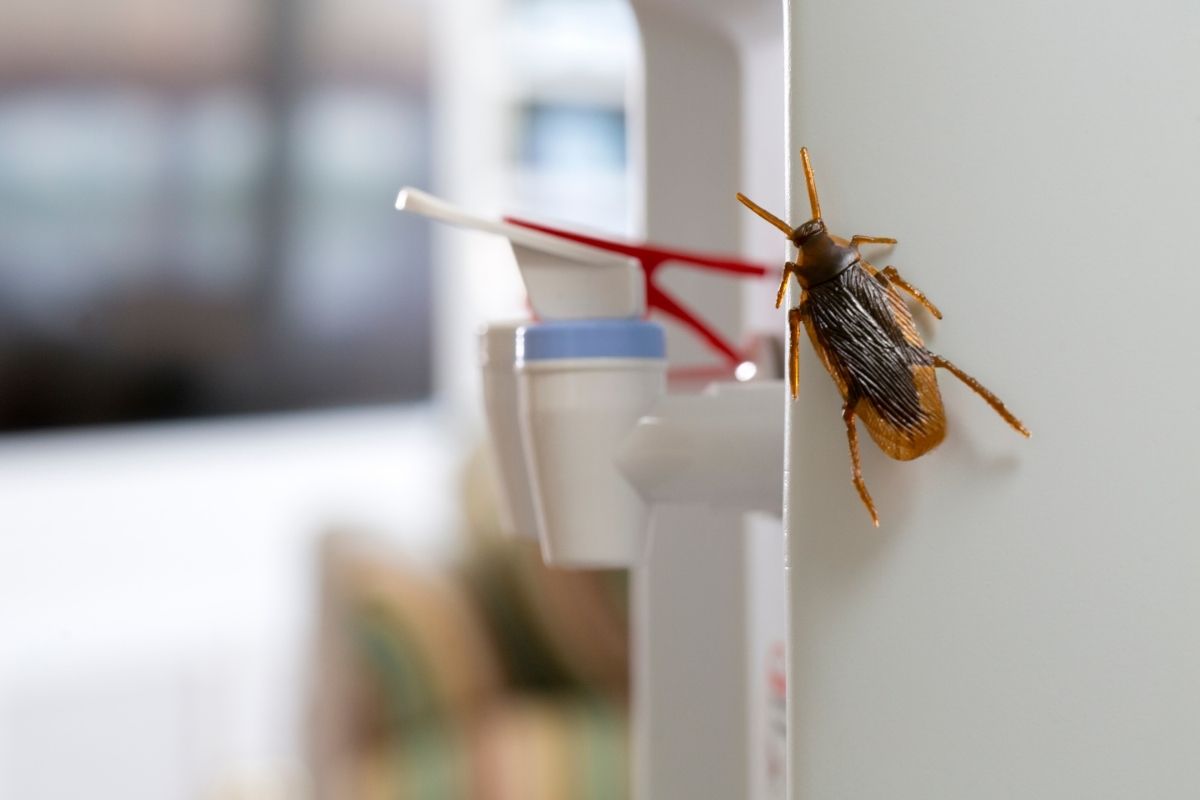
Mice and rats are common pests that can cause serious damage to your property. They can also carry diseases such as salmonella and rat bite fever.
You should contact your local health department to see whether they offer rodent control services.
If they don’t, you may be able to file a lawsuit against your landlord.
If you have been bitten by a mouse or rat, you need to take immediate action.
The best way to protect yourself from further attacks is to get rid of the rodents.
Whilst you may be able to file a lawsuit against your landlord, ultimately your ability to do this depends on state laws and the type of lease you have.
Keep on reading to find out if you can sue your landlord for mice infestation.
Read Your Lease Agreement
This may seem like an obvious point, but it’s worth mentioning.
Some leases have a specific clause which states that the tenant is responsible for any and all pest control.
If your lease contains this clause, it means that you would be responsible for paying any fees associated with ridding your apartment of mice/rodents.
However, if your lease does not contain this clause, you will still be liable for any damages caused by these pests.
This is because the law holds landlords accountable for the safety of their properties.
If your lease states that it is the landlord’s responsibility to get rid of the infestation, then it’s worth seeing if you can come to an agreement.
Typically, you might need to pay for the cost of extermination upfront then your landlord will either reimburse you or deduct the cost of the following month’s rent.
What Happens If There Isn’t A Pest Control Clause In My Lease?
So what happens when there is no clause in your lease regarding pest control? Well, it comes down to two things:
1) You must prove that the landlord was negligent in failing to provide adequate pest control measures.
2) You must show that the lack of pest control resulted in damages (i.e., the cost of removing the mice).
In order for you to win, you must establish both points. So how do you go about proving either one of them?
The first thing you will need to do is hire a professional exterminator who specializes in rodent removal.
It doesn’t matter if he uses poison or traps – just make sure that he has experience dealing with mice.
The second step is to document everything. Take photos of the infested areas, keep receipts for any expenses incurred, etc.
Once you’ve collected all of this evidence, you’ll need to consult a lawyer who specializes in real estate law.
He or she will be able to help you determine whether you have grounds to sue your landlord.
If your lease does not include a clause stating that you are responsible for pest control, you may be able to sue your landlord for negligence.
However, you will need to prove that the landlord failed to provide adequate pest control services.
You also need to prove that the failure to provide such services resulted in damage to your property.
Once again, this requires documentation.
How Much Can I Sue My Landlord For Mousing Infestation?
There are many factors which will affect how much you can actually recover from your landlord for mouse infestation. These include:
1) The size of the damage.
2) Whether the damage was due to negligence or not.
3) How long the infestation lasted.
4) What type of damage occurred.
5) Whether the landlord offered compensation.
6) Whether the landlord had insurance.
7) Whether the landlord was aware of the problem before it happened.
8) Whether the landlord made good faith efforts to rectify the situation.
9) Whether the landlord took reasonable steps to prevent future occurrences.
10) Any other relevant information.
It’s important to remember that even if your landlord offers to compensate you, you don’t necessarily have to accept his offer.
You can always ask for more money or try to negotiate some sort of settlement.
However, if you decide to take him up on his offer, make sure that you understand exactly what you’re getting yourself into.
Make sure that you read the fine print and know exactly what you’re signing.
Also, make sure that you don’t sign anything until you’ve consulted with a lawyer.
Can I Sue My Landlords For Not Providing Adequate Pest Control Services?
If you own rental property, then chances are you have heard horror stories about tenants suing their landlords over pests.
But why would anyone want to sue their landlord?
Well, sometimes people get so fed up with having to deal with pests that they feel like they have no choice but to take legal action against their landlord.
But there are two problems with doing so. First, most states require that you give your landlord at least 30 days notice before filing suit.
This gives them time to correct the problem without being sued themselves.
Second, most courts won’t allow you to sue unless you can show that the landlord did something wrong.
If you’re going to sue someone, you should really make sure that you have solid proof that he or she is guilty of wrongdoing.
So if you do decide to sue your landlord, make sure that you collect as much evidence as possible. Document everything. Take pictures.
Talk to neighbors. And make sure that you keep track of any conversations you have with your landlord.
Conclusion
In conclusion, mice are one of the most common types of pests found in homes.
They can cause serious damage to your home by chewing through insulation, damaging electrical wiring, and spreading disease.
Unfortunately, they are very difficult to get rid of once they start breeding.
So if you find that you have a rodent problem in your house, you may need to call a professional pest control company to help you out.
The burden of responsibility concerning the cost of hiring a pest control company can fall on either the tenant or the landlord, depending on the type of lease agreement.
Hi, my name is Andrea Symth. A couple of years ago, I was stuck in a dead-end job where the workers were severely underappreciated and overworked. The office was old and falling apart around us, yet management didn’t seem to care.
Last summer there was a fire in the building.
That was what spurred my idea for Can I Sue, an online source to find out whether you have the grounds to sue or not, as well as helpful tips that you might need during the process.