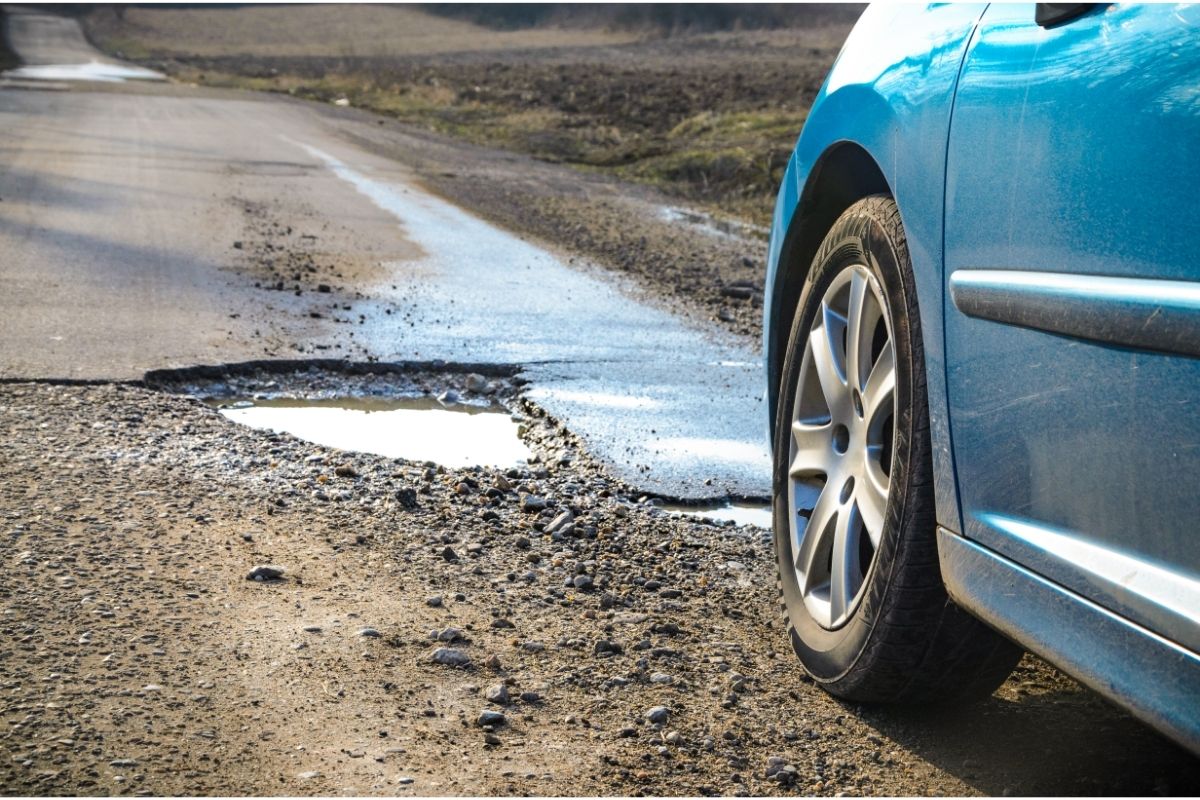
If you live near a major city, chances are you’ve experienced a sewage back up at some point. These backups happen for a variety of reasons, from heavy rainfall to broken pipes. When they occur, you might notice raw or black water flowing into your home.
Sewer back ups can cause serious health problems, especially for children and pregnant women. They can also damage property and cause mold growth.
In some cases, homeowners can file lawsuits against the city for failing to properly maintain their sewers.
Homeowners who have had sewage backups in their homes may be able to recover damages by filing a lawsuit against the city that failed to provide adequate maintenance services.
However, there are several factors that will determine whether you can win such a suit.
How Do I Find A Lawyer?
You may need a lawyer for many things, and it is important to know where to find one, and at what cost. Here’s our list of recommendations:
Google
There are lots of websites out there that offer referrals to lawyers. Check them all on your computer before calling any of them. You don’t want to pick the wrong person just because they were easy to find!
Friends/Family
Ask around for people that can recommend a good lawyer. Word of mouth is always the most reliable form of recommendation.
Legal Forums
Online forums are an excellent way to ask for recommendations.
Most legal communities have bulletin boards where attorneys advertise their practices and if someone posts asking for advice, other users can respond with personal references.
Insurance Adjusters
Many insurance companies make paralegals available to help you through an insurance claim process. Some work for free, while others give you a small fee.
Use these resources first so that you can get an attorney only when needed.
What Is Sewer Backup?
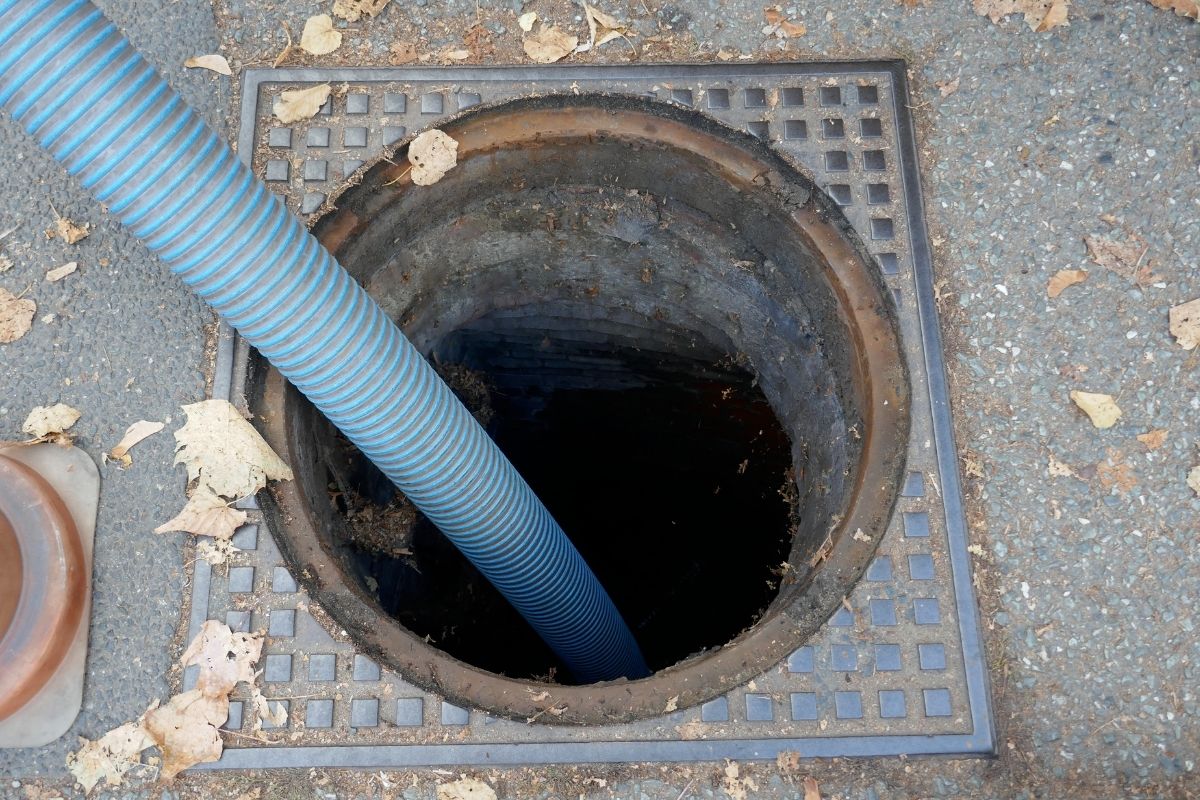
A sewer backup occurs when too much waste enters the main line of a wastewater system, causing it to overflow into nearby streets or yards.
This happens when a pipe bursts, breaks, or becomes blocked due to tree roots or debris. The resulting flood water carries bacteria and viruses that can cause sickness and death.
The EPA estimates that more than 100 million Americans live within three miles of a contaminated site, including about 37 million Americans living within half a mile of a polluted area.
What Are My Rights?
If you live in the United States, you have certain rights under federal law. For example, you have the right to clean air, safe drinking water, and protection from toxic chemicals.
You also have the right to seek compensation when your government fails to protect those rights.
In addition to federal laws, state governments have their own rules regarding public health and safety.
State laws vary widely, but often include requirements related to environmental quality, construction standards, zoning regulations, and consumer product safety.
In some states, residents have additional rights based on local ordinances. These rights apply regardless of whether the contamination occurred naturally or as a result of human activity.
Sewer Backup Causes & Effects
There are many causes of sewer backups, ranging from broken pipes to clogged drains.
Some common culprits include heavy rainfall, high humidity levels, frozen ground, and large amounts of leaves and grass clippings.
When a pipe ruptures or overflows, it creates a pool of standing water that attracts insects, animals, and bacteria. These contaminants can enter homes, businesses, and even underground aquifers.
Once inside, the water can become stagnant, allowing harmful germs to multiply. In extreme cases, this can lead to Legionnaires’ disease, which can be fatal.
How To Prevent A Sewer Backup?
Preventing sewer backup requires planning ahead. If you know that a storm is coming, check your plumbing lines to ensure they are clear. This will prevent any sewage water from blocking the drains.
Make sure there are no trees or shrubs growing near your home’s drain openings. Remove any debris that could block the opening.
Check your roof gutters regularly to remove leaves and other buildup.
Keep your yard well-maintained by removing weeds, trash, and fallen branches.
Keep your house at least two feet above ground level to prevent flooding during heavy rainstorms.
Can I Sue The City For Sewer Backup?
As long as you meet the legal requirements, you may be able to file a lawsuit against the city responsible for the sewage damage.
You must prove that the city was negligent in its duty to provide adequate drainage systems. Negligence means that the city failed to take reasonable steps to make sure that its sewers were properly maintained and protected.
You also need to show that the city’s failure caused you injury. Injury includes physical harm, such as property damage or personal injuries; emotional distress; and economic losses, such as medical bills or lost wages.
Legal experts suggest that you hire an attorney who specializes in municipal liability claims before filing a suit. An experienced lawyer will help you understand the process involved in suing a municipality.
They will also advise you about what evidence you should gather and how to present your case.
If you do decide to pursue a claim, you may be eligible for financial compensation if you win. However, winning a court judgment does not guarantee that you’ll receive full reimbursement for all damages.
You may still have to pay taxes, insurance premiums, and other costs associated with your loss.
Is It Easy To Sue A City?
It depends on where you live. Generally speaking, it’s easier to sue a city than to sue a private company.
In most states, cities are considered “public” entities, meaning that you don’t have to serve them personally. Instead, you send notice to their mayor or city council members.
However, some cities are so big that they’re actually considered corporations. This means that you must first serve the corporation directly.
The best way to find out whether you must serve a city is to contact your local government office.
How To Clean Up A Sewer Backup
Sewer backups usually cause more damage than just a foul smell. Your home may have been flooded, causing mold growth and structural damage.
Your basement may have collapsed. Water may have damaged electrical components, leaving you without power.
Even worse, sewage can carry germs and bacteria into your home. These harmful organisms can cause serious health problems, including food poisoning and pneumonia.
To clean up the mess, call a professional water restoration service. They’ll use specialized equipment to pump out any sewer water, safely and efficiently.
Final Thoughts
A sewer backup is never fun. But it doesn’t have to ruin your entire day. You can attempt to sue the city if you have had personal or property damage, and you may be able to get some compensation.
Hi, my name is Andrea Symth. A couple of years ago, I was stuck in a dead-end job where the workers were severely underappreciated and overworked. The office was old and falling apart around us, yet management didn’t seem to care.
Last summer there was a fire in the building.
That was what spurred my idea for Can I Sue, an online source to find out whether you have the grounds to sue or not, as well as helpful tips that you might need during the process.